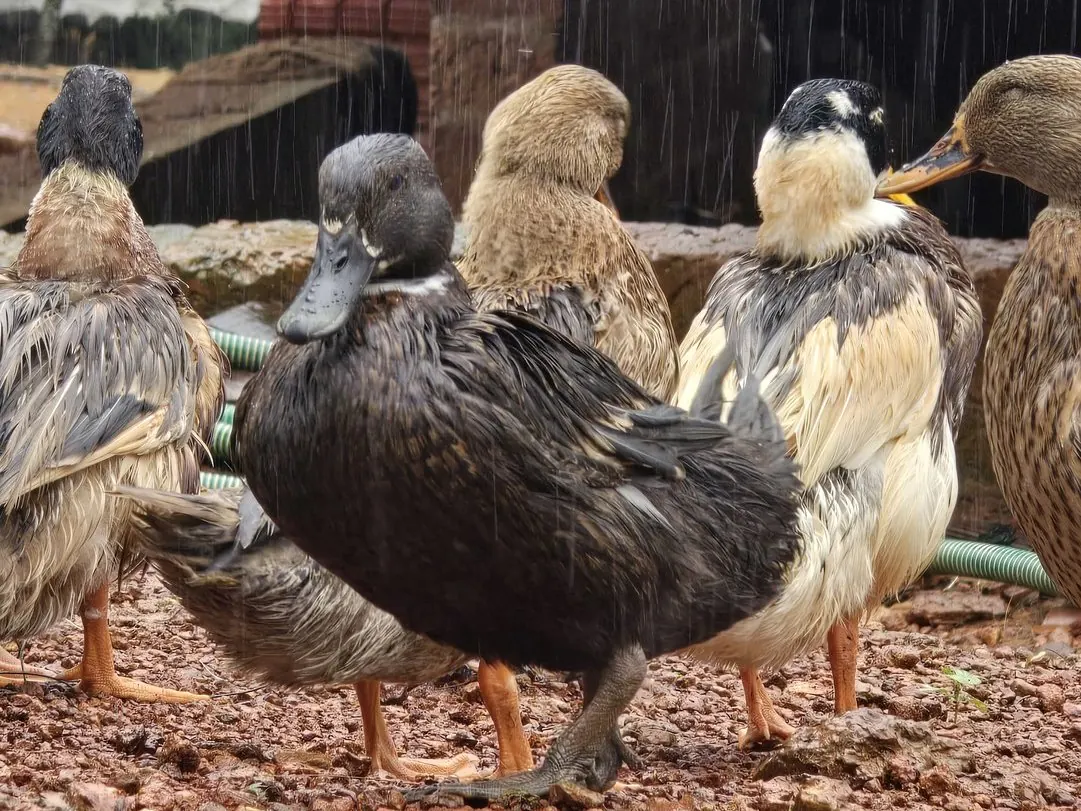
The Kuttanad duck is Kerala's native duck, kept for eggs and meat in the paddy fields and backwaters of Kuttanad. Farmers know its two colour types as Chara and Chemballi. ICAR's breed registration committee approved it on 12 November 2025 (ICAR), and Gazette notification S.O. 722(E) of 10 February 2026 made it official (Gazette of India). Its NBAGR accession number is INDIA_DUCK_0900_KUTTANAD_11007, and it is the only registered duck breed from the southern states (ICAR-NBAGR).
How to recognise it
- Two colour types. Chara ducks have blackish-brown feathers and a dull orange bill. Chemballi ducks have lighter, more varied feathers and a yellow bill. Many birds have black spots on the bill (ICAR).
- Many local names. Grey, brown, bronze, white, black and spotted birds are all seen, and farmers also name types such as Thoovella, Pulli and Pandi by their colour and spots (Kerala Biodiversity Board).
- Size. A medium-sized duck: adults weigh about 1.6–2 kg. ICAR gives this one range for ducks and drakes together (ICAR).
What it is good for
- Eggs. About 200–210 eggs a year under semi-intensive rearing, each weighing about 69 g (ICAR). Young ducks start laying at about 4–5 months: at about 129 days in a Kerala study (ICAR-DPR), and at about 155 days in Chara and Chemballi ducks kept in Assam backyards (ICAR-DPR review).
- Meat too. ICAR describes it as a dual-purpose duck, for eggs and meat (ICAR). At its Mannuthy farm, KVASU has bred a faster-growing meat line of Kuttanad ducks: their weight at 8 weeks rose from about 1.1 kg to 1.6 kg over 5 generations of selection since 2012 (KVASU). ICAR-DPR scientists caution that breeding a good layer for weight can lower its egg numbers in the long run (ICAR-DPR).
- Good foragers. The ducks find much of their own food and suit duck-and-paddy farming (ICAR). They need little management and suit the travelling duck farming practised in Kerala (Kerala Biodiversity Board).
Where it is mainly found
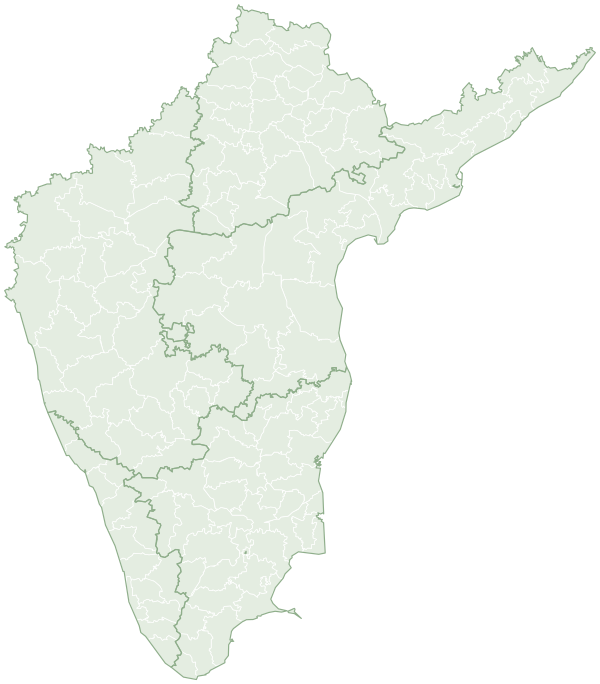
The breed's home is Kuttanad, the low-lying paddy and backwater country of Alappuzha, Kottayam and Pathanamthitta districts. ICAR puts the population at about 17.8 lakh birds (ICAR). Ducks and paddy have long gone together there: after the harvest, flocks are let onto the fields to eat the fallen grain, and their droppings feed the soil (Kerala Biodiversity Board).
Bird flu has struck Kuttanad's duck country again and again, with culls and bans on restocking (Down To Earth). Before you buy ducks from there, ask your nearest veterinary hospital about current bird-flu notices.

Looking for Kuttanad ducks?
Search “Kuttanad” in the Kattutharai app to find Kuttanad ducks for sale near you, or see all ducks for sale. The seller names the breed and Kattutharai does not check it, so look at the birds yourself before you pay.


Rearing tips
- Night pen, day foraging. Most duck keepers house their birds at night, give some home-made feed and let them forage by day (ICAR-DPR review). Kuttanad flocks forage on harvested paddy fields, ponds and canals.
- Feed with care. Never give mouldy feed. Ducks are very sensitive to the mould poison (aflatoxin) that grows on badly dried maize and groundnut, so these are often left out of duck feed (ICAR-DPR review).
- Vaccination. Ask your vet about vaccinating against duck plague and duck cholera. In Kerala, the Animal Husbandry Department's institute at Palode makes both vaccines and supplies them free through government veterinary institutions (Kerala AHD).
- Bird flu. Keep new ducks away from your flock for at least 30 days, and report any unusual sickness or deaths within 24 hours (DAHD plan). See keep ducks healthy.
Buying tips
- Check the type. A Kuttanad duck is medium-sized, with Chara colouring (blackish brown, dull orange bill) or Chemballi colouring (lighter, yellow bill), often with black spots on the bill.
- "Kuttanad" is a seller's word. Ducks bred in Tamil Nadu, around Madurai, Tirunelveli and Nagercoil, have been sold in Kerala as Kuttanad ducks (Deccan Chronicle). The breed name in an ad is the seller's word, and Kattutharai does not check it. Look at the birds yourself and ask where the parent flock is kept.
- Crosses are common. Herded flocks move between Tamil Nadu, Kerala, Karnataka and Andhra Pradesh, so duck types mix (TANUVAS study).
- Known farms. KVASU's University Poultry and Duck Farm at Mannuthy keeps Kuttanad ducks and supplies birds directly and through the Kerala Animal Husbandry Department's regional poultry farms (KVASU).
- Health and papers. Check each bird, ask for the vaccination record and move the birds by the rules: see buying ducks.
Frequently asked questions
Are Chara and Chemballi different breeds?
No. They are the two colour types of one registered breed, the Kuttanad duck. Chara is blackish brown with a dull orange bill; Chemballi is lighter, with a yellow bill (ICAR).
How many eggs does a Kuttanad duck lay?
About 200–210 a year under semi-intensive rearing, each weighing about 69 g (ICAR).
Can I raise Kuttanad ducks in Tamil Nadu?
Yes. Ducks already move between the two states: farmers in southern Tamil Nadu have long bought replacement ducks from the Kollam area of Kerala (TANUVAS study). Give them what they have at home: water, harvested fields or other foraging, and a safe pen at night.
Is the Kuttanad duck good for a beginner?
It needs little management and finds much of its own food (Kerala Biodiversity Board), so it suits a small farmer with water and foraging nearby. Start small, and learn the bird-flu rules first: see Duck rearing in South India: breeds, buying and health.
Next
Compare it with the egg breed Khaki Campbell, the meat breed White Pekin and the Muscovy (Manila) duck. Read Duck rearing in South India: breeds, buying and health for rearing, buying and bird-flu rules, and browse ducks for sale.